In recent years, the popularity of ductless mini-split systems has grown. However, due to the higher initial cost of a ductless mini-split HVAC system, many homeowners wonder if they are worth the expense. Learn how a mini-split system works, the financial benefits that come with it, and the many other advantages this modern technology has over traditional HVAC systems.
Mini-Split Unique Design
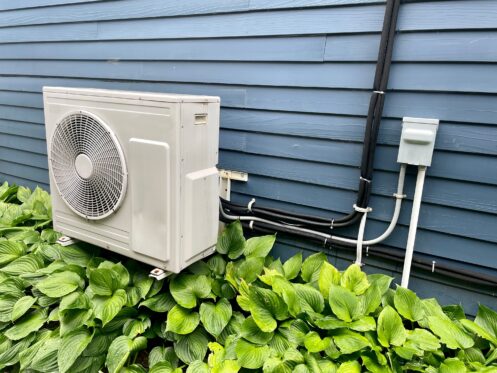
There are some distinct differences between mini-splits and traditional HVAC systems. The outdoor unit of a mini-split system is typically smaller than a traditional system’s outdoor unit. Most weigh under 100 pounds and are the size of a travel suitcase. Alternatively, the outdoor unit of a central air system typically weighs between 150 and 250 pounds and is the size of a chest freezer. The smaller size of mini-split units makes them more versatile and easier to install in areas with limited space.
Additionally, with a mini-split system, interior air handler units are installed in bedrooms and common rooms throughout the home. No ductwork is required. Small, unobtrusive conduit lines connect the interior air handlers to the outdoor unit.
Energy Bill Savings
Because of the unique design of mini-split HVAC systems, they are more energy efficient than traditional systems. This is because they do not use ductwork. According to the U.S. Department of Energy, traditional ducted systems can lose as much as 30% of the cooling your HVAC system produces through gaps and leaks in the ductwork. Since mini-splits avoid this issue, you save on your monthly electricity bills.
Of course, there are further ways that you can add to the efficiency of a ductless mini-split HVAC system and save more on your energy bill. When purchasing your system, check the Seasonal Energy Efficiency Ratio (SEER). Models with a higher SEER rating are more energy efficient, which will reduce energy costs further. Additionally, the better insulated your home is, the less work your system has to do to keep your home at a consistent temperature.
Strategic use also contributes to efficiency. Since the interior units warm or cool a smaller portion of the home, you can close doors to rooms when they aren’t being used and turn those units off. You’ll see even better savings on your energy bill when you only cool or heat the occupied areas of your home.
Other Financial Benefits of Mini-Splits
Saving on energy bills is one financial benefit of installing a ductless mini-split HVAC system in your home. However, there are additional financial benefits that make these systems cost-effective. These added benefits help compensate for a mini-split system’s higher initial cost.
Easier Maintenance
Maintenance for mini-split systems is much easier than that for traditional systems. There is no ductwork that requires regular cleaning and maintenance. In addition, mini-split systems have permanent air filters that you can clean with dish soap and warm water rather than having the expense of replacement filters.
Additionally, professional maintenance of mini-splits is easier and quicker than traditional cooling system tune-ups. Thanks to their simpler design and because they are usually simple to access, a technician usually has to spend less time during their visit.
Reduced Repair Costs
Along with easier maintenance of mini-split systems, they also tend to have reduced repair costs compared to traditional systems. This is primarily because of the lower stress on components due to the efficient operation. However, just like traditional systems, they do need to remain well-maintained to mitigate repairs and the associated costs.
Extended Lifespan
The efficiency of the system and the lower stress on system components result in ductless mini-split systems having a longer lifespan than most traditional HVAC systems. They last 20 to 25 years, while conventional cooling systems need to be replaced after 15 to 20 years. This longer lifespan is another way that the initial cost of the system is offset. While models with higher SEER ratings tend to cost more, their higher efficiency can also help increase lifespan.
Easy Installation
Traditional HVAC systems usually require more complex installations. Since mini-split systems don’t require extensive ductwork, installation can be easier and quicker than traditional systems, which can help reduce the installation cost.
Flexibility
If you have a forced air system and plan to convert a space like a basement or a garage into a living space, mini-splits offer an excellent cooling solution. Extending your ductwork to the new space may be prohibitively expensive. You may also need to purchase a more powerful air conditioner to keep the renovated area comfortable. Instead, you can add a mini-split to cool your new bedroom or other living area.
Tax Incentives and Rebates
There are tax incentives and rebates that you may be eligible for if you upgrade your home with qualifying systems. These incentives are designed to help lighten the load on the electrical grid and improve the environment. Check to see what incentives or rebates you may qualify for by upgrading to an energy-efficient mini-split HVAC system.
Home Value Increase
Upgrading your HVAC system can help increase the value of your home. Installing a modern and efficient mini-split system can help increase your home value even more. This value increase is good not only for people who are looking to sell but also for those who may want to refinance their homes.
Additional Mini-Split Benefits
On top of the numerous financial benefits of a mini-split system, they have several more advantages over traditional systems.
Higher Indoor Air Quality
Multi-split HVAC systems have multiple levels of advanced filtration to help improve the air quality in your home. The lack of ductwork is also a bonus because traditional HVAC systems tend to accumulate dust and other allergens in the ductwork over time. Keep in mind that regular cleaning of the air filters on mini-split units is necessary to maintain good indoor air quality.
Custom Comfort
One of the great benefits of the zoning capability of ductless mini-split systems is that each interior unit can be independently controlled. Occupants of different rooms can adjust the airflow and temperature to their preferred settings instead of the entire home compromising on a single setting.
Quiet Operation
Traditional HVAC units tend to be noisier than mini-split systems, especially if they are older and suffering from frequent issues. The quieter operation of the interior mini-split units will be appreciated by people who work from home or are frustrated with a noisy cooling system when trying to relax.
Smart Home Integration
Many mini-split systems come with a remote control to adjust the settings of each interior unit. However, mini-split systems are also easier to integrate with smart home technology. Depending on the system, you can control the settings from a tablet or smartphone. Some even allow you to control settings with voice commands.
Space Saving
Some homes are smaller and have limited space for an HVAC installation. Mini-split systems are ideal for situations like this. There is no ductwork to take up limited space. While some components need to be installed inside the home, these are usually mounted up high on a wall and take up very little space. The smaller outdoor units are also advantageous if outdoor space is limited.
Contact the Professionals
At Aurora Pro Services Heating, Air, Plumbing, Electrical, & Roofing, we are a family-owned business that has been serving the residents of Greensboro, NC for years. We install, repair, and maintain heating and cooling systems. In addition to our HVAC services, we also handle plumbing, roofing, and electrical wiring. If you’d like to know more about mini-split systems or have questions about our other services, contact Aurora Pro Services Heating, Air, Plumbing, Electrical, & Roofing today!